

Governing software for research together
Why governance matters
for research software
Open-source software plays a vital role in research.
But governing it well is not straightforward.
Too often, we see one of two extremes.
A single organization owns the software and sets the direction — bringing clarity, but limiting the influence of the community.
software is developed by a community without clear leadership — allowing broad participation, but lacking direction.
Nova exists to bring these worlds together. A foundation where researchers, developers, and operators govern software — combining shared influence with clear direction.
In this way, we help keep research software sustainable, open, and responsive to the needs of the community.
From research need to shared governance
Research need
Step 1
New software starts with a concrete research need.
Researchers and institutions initiate projects to address specific questions in practice.
Co-creation
Step 2
These projects are carried out with Eyra, a purpose-driven company that builds and operates software services on the Next platform.
Requirements are translated into software through close collaboration with researchers and stakeholders.

Shared governance
Step 4

Sustainable software service
Step 3
The software is deployed by Eyra as a software service on the Next platform.
As it is used in real research settings, multiple parties contribute to its continued use and development — through projects, usage, and operational support.
When a service reaches a sustainable level of use and multiple parties are actively involved, governance shifts to Nova.
A Program Circle is formed, giving the community a structured and lasting role in its direction and evolution.
The Nova Software Foundation governs the open-source code underlying the Next platform and its software services used in research.
The Next platform is designed, built, and operated by Eyra, a purpose-driven company that founded the Nova Software Foundation.
Today, Nova enables shared governance of the software together with researchers from universities, with responsibilities expected to become more distributed over time.
Together, this creates an ecosystem where software is not only developed, but also sustained and governed collectively over the long term. This governance is organised into programs, each focusing on a specific part of the software.
An ecosystem for research software
Programs
Shared governance of software services for research — where each program is governed through a circle, in which people define how decisions are made and how the service evolves over time.

Port
Governs the data donation software service for collecting digital trace data.



Link
Governs software services that connect participants with research.

Sense
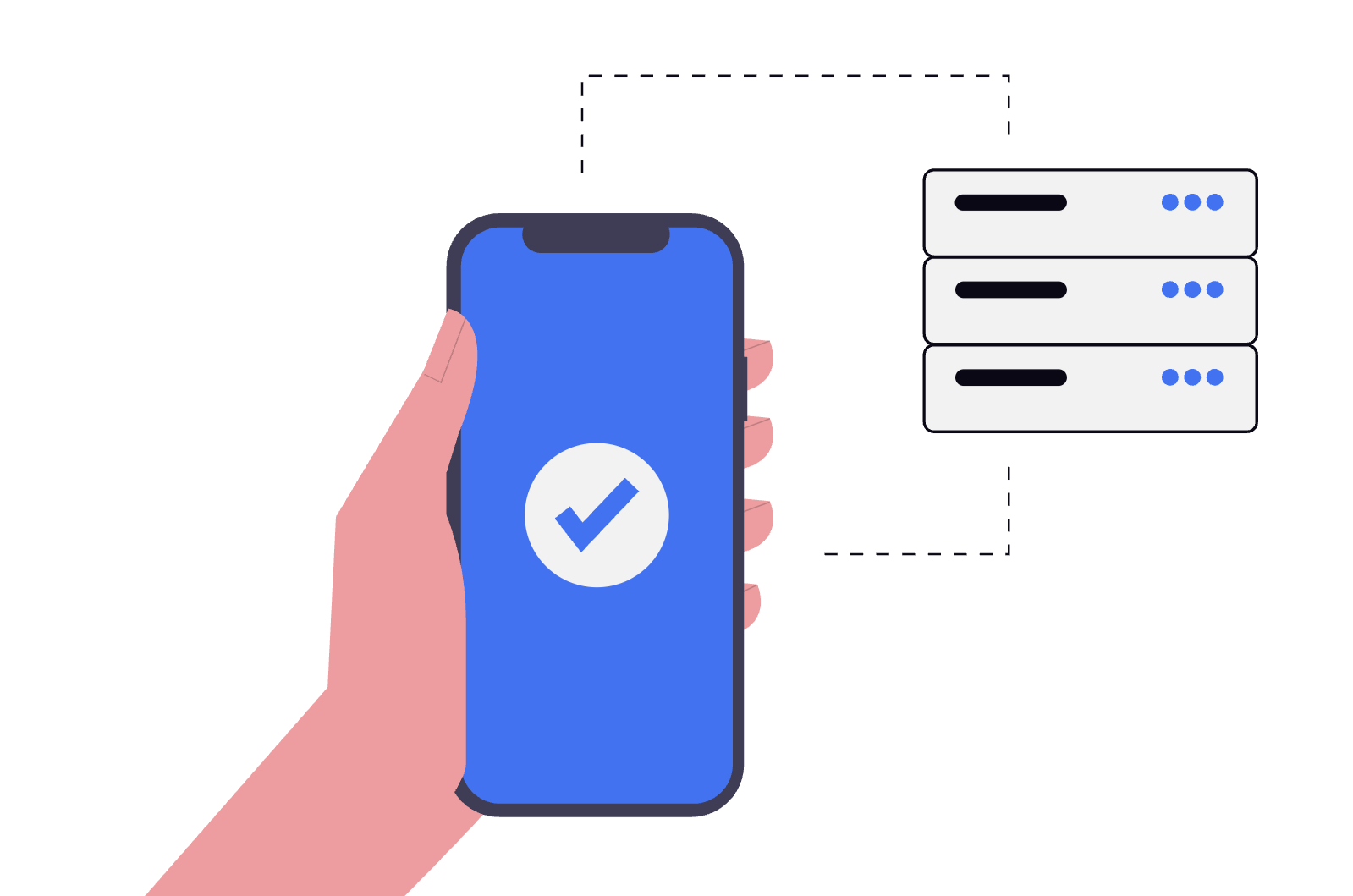
Governs software services for mobile app data collection.
Shared influence, clear responsibilities
Within a circle, everyone participates in decision-making
with each role responsible for its own domain.

Users
Define what is neededResearchers, participants, and other users who define what functionality benefits them.
Designers
Design how the software worksUX/UI designers, software architects, and product owners who translate user needs into software.

Developers

Developers who build and maintain the software designed by the designers.
Build the softwareOperators
Run and sustain the softwareOperators who make the software available as a paid service, ensuring its long-term sustainability.
Want to get involved?
Connect with users and co-creators of software services on the Next platform.
Share ideas, ask questions, and stay up to date with ongoing developments.